


A business exit strategy is a plan forhow you will sell or close your business when you're ready to retire, move onto other ventures, or for other reasons. There are many types of business exitstrategies, and the best one for you depends on your individual circumstances.
In this article, we will discuss thedifferent types of business exit strategies from our turnaround agency, the benefits of having one, andthe steps involved in creating a successful exit strategy.
Types of Business Exit Strategies
There are many different types ofbusiness exit strategies, each with its own advantages and disadvantages. Theright strategy for you will depend on your personal goals, financial situation,and timeline.
Common Business Exit Strategies
Some of the most common business exitstrategies include:
- Sale to a third party
- Merger or acquisition
- Initial public offering (IPO)
- Liquidation
- Management buyout (MBO)
- Employee stock ownership plan (ESOP)
Each of these strategies has uniquepros and cons, so it’s important to carefully consider your options beforemaking a decision. For more details, check out our comprehensive guide tobusiness exit strategies.
Steps to Create a Business Exit Strategy
Creating a business exit strategy isessential to maximize the value of your business and ensure a smoothtransition. Follow these steps to build a successful exit strategy:
- Determine your goals for selling your business.
- Identify your target buyer.
- Evaluate your business's value.
- Develop a marketing plan for your business.
- Negotiate the terms of the sale.
- Close the sale.
By following these steps, you cancreate a strategy that helps you achieve your goals and ensures a successfultransition to new ownership.
Common Mistakes to Avoid When Creating a Business Exit Strategy
When planning your exit strategy, it'simportant to avoid common mistakes. Here are a few to watch out for:
- Not starting early enough: Begin planning well in advance.
- Not getting professional advice: Seek help from a business broker or attorney.
- Setting unrealistic expectations: Be realistic about your business's value.
- Not marketing your business properly: Create a strong marketing plan.
- Rushing the process: Take your time to avoid costly mistakes.
Avoiding these pitfalls will increaseyour chances of selling your business at the best price and on favorable terms.
How to Get the Best Price for Your Business
There are several things you can do tomaximize your business's value and secure the best price when selling:
- Market your business effectively.
- Ensure your financial records are in order.
- Present your business professionally.
- Negotiate effectively with buyers.
By following these tips, you can boostthe chances of getting the best possible price when you sell your business.
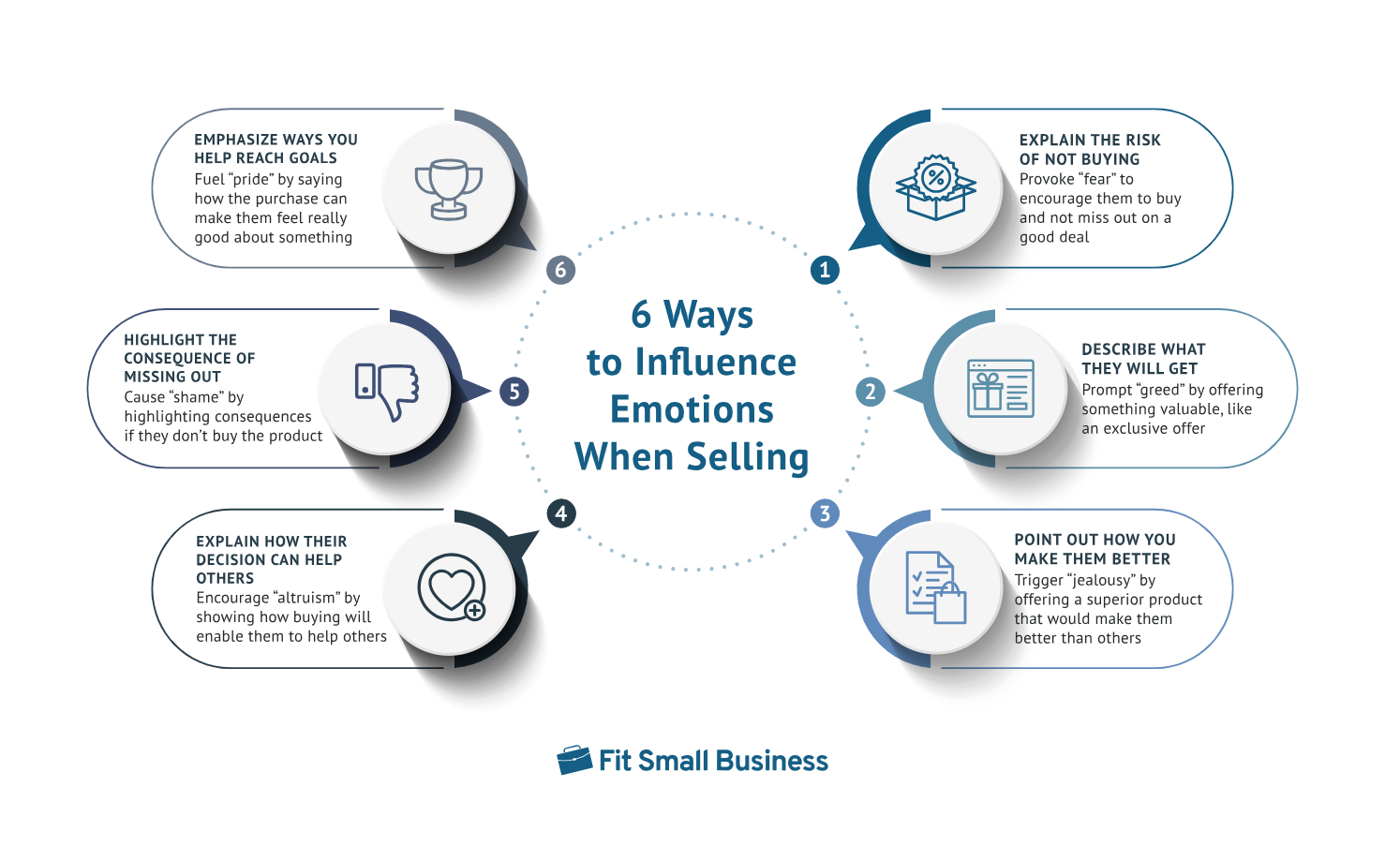
Source: fitsmallbusiness.com
How to Manage the Emotional Toll of Selling Your Business
Selling a business can be a stressfuland emotional experience. You’ve likely worked hard to build your business, andletting go can be tough.
Tips to Manage the Emotional Toll
- Acknowledge your feelings: Allow yourself to grieve the loss of your business.
- Focus on the positive: Selling can be a fresh start with new opportunities.
- Take care of yourself: Eat healthily, sleep well, and exercise regularly.
- Seek professional help: If needed, speak to a therapist or counselor.
By following these tips, you can managethe emotional stress of selling your business and move forward with confidence.
When to Sell Your Business
Deciding when to sell your businessdepends on several factors:
- The health of your business
- Your personal financial situation
- Your long-term goals
- Market conditions
Ifyour business is doing well and the market is favorable, it may be the righttime to sell. But personal financial needs and goals should also be taken intoaccount. Ultimately, this decision is personal and should align with youroverall life and financial plan.